Adult sex toys have become more widely accepted in recent years, and many products on the market are safe, well-designed, and comfortable. However, not all toys are created to the same standard.
Most reported issues are not caused by the category of the product itself, but by poor materials, weak construction, low-quality electronics, or improper care. If you’re buying intimate products for the first time — or want to make safer, more informed choices — it helps to understand these common concerns.
Material Safety and Porosity
One of the most significant complaints involves the materials used in cheaper toys. Low-cost products are often made from PVC, jelly rubber, or low-grade TPE.
- The Problem: These materials are porous, meaning they have microscopic holes that can trap moisture, residue, and bacteria.
- The Result: Over time, this can lead to skin irritation, unpleasant odor retention, and hygiene concerns that are difficult to resolve even with washing.
- Safety Tip: Look for non-porous materials like medical-grade silicone, borosilicate glass, or stainless steel.
Allergic Reactions and Skin Sensitivity
Intimate skin is more sensitive than other parts of the body. Users have reported issues with unknown coatings, dyes, or chemical additives (like phthalates) used in cheaper manufacturing.
Common symptoms include:
- Mild burning or stinging.
- Redness or itching after use.
- Unusual dryness or sensitivity.
If a product has a strong "chemical" or "plastic" smell, or feels oily/sticky out of the box, it may contain additives that can cause reactions.
Functional and Electronic Failures
Low-quality toys often suffer from mechanical issues due to poor quality control. Reported problems include:
- Motor Failure: The toy stops vibrating or loses power after only a few uses.
- Charging Issues: Charging ports become loose, or the internal battery stops holding a charge.
- Battery Leaks: In toys that use disposable batteries, poor seals can lead to acid leaks that ruin the device.
Unreliable "Waterproof" Claims
Many products are marketed as waterproof, but the seals around charging ports or battery compartments may fail.
- The Result: Water enters the casing, leading to internal corrosion, short circuits, or complete motor failure.
- Usage Note: A "waterproof" toy is generally safe for full submersion (like in a bath), while "water-resistant" or "splash-proof" toys should only be cleaned with a damp cloth and never submerged.
Ergonomic and Design Discomfort
A toy doesn’t have to be "broken" to be problematic. Poor design can lead to physical discomfort through:
- Rough Seams: Visible lines where the plastic/silicone was molded can be scratchy or irritating.
- Awkward Shapes: Items that don't account for human anatomy can cause friction or pressure-point pain.
- Texture Issues: Surfaces that are too hard, too sticky, or too "tacky" can make use uncomfortable rather than pleasurable.
Temporary Numbness (Desensitization)
Some users report temporary numbness or a "pins and needles" sensation after using high-intensity vibration settings for a long period.
- Is it permanent? Generally, no. This is usually a temporary reaction to high-frequency stimulation.
- Prevention: Use lower settings or take breaks to allow the nerves to rest.
Hygiene and Maintenance Risks
Sometimes the problem is how the toy is maintained. Porous toys (jelly/PVC) are especially prone to:
- Odor buildup.
- Residue accumulation.
- Bacterial growth.
Even a high-quality silicone toy can become problematic if it isn't cleaned and dried fully after every use.
Structural Integrity (Breakage)
While rare, there have been reports of cheaply manufactured toys breaking during use.
- Cracking/Peeling: Lower-quality coatings may flake off.
- Detachable Parts: Small components or "bunny ears" may detach if the internal structure is weak.
- Splitting: TPE or jelly materials can sometimes tear or split after repeated stretching.
How to Avoid These Common Problems
The good news is that most of these issues are avoidable with a bit of research. To ensure a safe experience:
- Prioritize Body-Safe Materials: Choose medical-grade silicone, glass, or polished metal. Avoid "jelly" or products that don't list their specific ingredients.
- Verify the Brand: Buy from reputable manufacturers that offer warranties and clear contact information.
- Check for "Phthalate-Free" Labels: Phthalates are plasticizers often used in PVC that can be hormone disruptors.
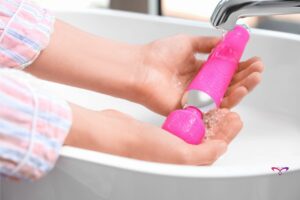
- Follow Cleaning Instructions: Use a dedicated toy cleaner or mild, unscented soap and warm water.
- Inspect Regularly: If a toy is cracked, peeling, or has an exposed wire/battery, replace it immediately.
Final Thoughts
While adult toys are generally safe, quality and maintenance are the two biggest factors in preventing problems. By choosing high-quality materials and practicing good hygiene, you can avoid the most common pitfalls and ensure a comfortable, safe experience.