Keeping adult toys clean is one of the most important parts of safe and comfortable use. Proper cleaning helps remove lubricant residue, body fluids, dust, and bacteria, while also protecting the surface and extending the life of the product.
The good news is that most adult toys are easy to clean if you use the right method for the right material. In this guide, you’ll learn how to clean adult toys safely, what to avoid, and how to store them properly after cleaning.
Why Cleaning Adult Toys Matters
Cleaning is not just about making a toy look fresh again. It also plays an important role in personal hygiene and product safety. If toys are not cleaned correctly, residue can build up on the surface and increase the risk of irritation, unpleasant odor, or infection.
Regular cleaning also helps preserve the finish and texture of the toy, which is especially important for softer or more delicate materials.
As a general rule, adult toys should be cleaned before and after every use.
The Basic Cleaning Routine for Most Adult Toys
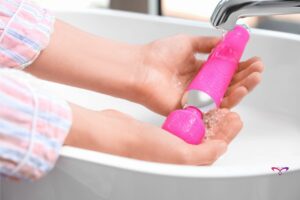
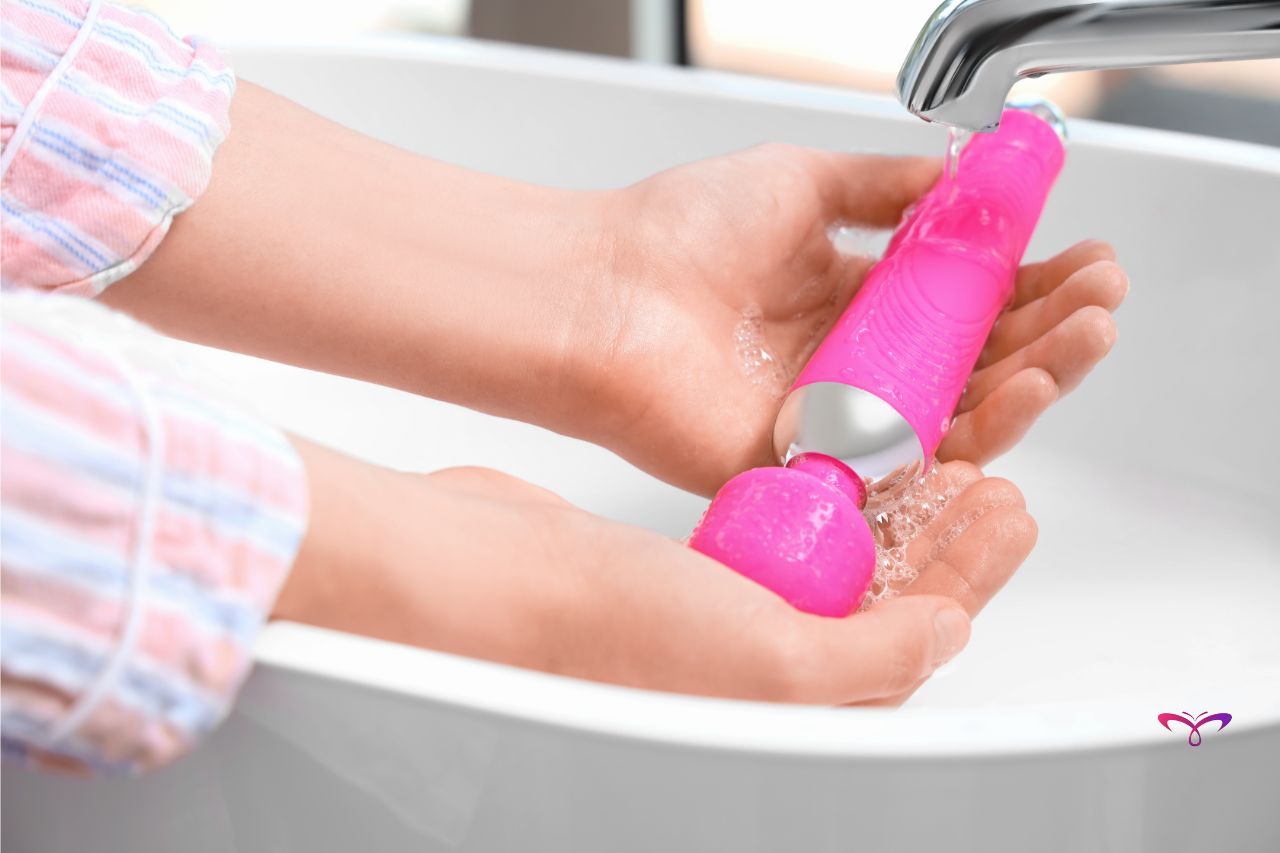
For many toys, the general cleaning process is simple. Start by rinsing the toy with warm water, then wash it with a mild, fragrance-free soap or a specialized sex toy cleaner. Rinse it thoroughly to remove any remaining cleanser, and then let it air-dry completely before putting it away.
Once dry, store the toy in a clean, dust-free bag or box. It is always best to keep toys separate from one another, especially if they are made from different materials.
Although this basic routine works for many products, the safest method still depends on what the toy is made of.
How to Clean Silicone Adult Toys
Medical-grade silicone is one of the easiest and safest materials to clean. Because it is non-porous, it does not trap bacteria in the same way that softer porous materials can. This makes silicone a popular choice for body-safe adult toys.
In most cases, silicone toys can be cleaned with warm water and mild soap. A specialized toy cleaner also works well. If the toy is made of 100% silicone and has no electronic parts, it can often be boiled for 10 to 15 minutes for a deeper clean.
Some waterproof, non-electronic silicone toys may also be cleaned in the dishwasher without detergent, using only the heat cycle. However, this should only be done if the product has no motor, battery, or charging components.
If the silicone toy contains electronics, do not boil it and do not place it in the dishwasher.
How to Clean ABS Plastic and Hard Plastic Toys
ABS plastic and other hard plastics are also commonly used in adult toys, especially in vibrators, external massagers, and accessories with firm outer shells. These materials are typically non-porous and easy to maintain.
For regular cleaning, warm water and mild soap are usually enough. If needed, you can also wipe the surface with 70% isopropyl alcohol. This can be helpful for a quick, more thorough surface clean, as long as the material is compatible and the product is dried fully afterward.
When using alcohol, apply it with a clean cloth or cotton pad rather than pouring it directly onto the toy.
How to Clean TPE, TPR, and Jelly Rubber Toys
TPE, TPR, and jelly-like materials are softer and often designed to feel more flexible or skin-like. However, these materials are usually porous, which means they can hold onto bacteria more easily and require gentler care.
These toys should be washed only with warm water and a gentle, fragrance-free soap. Harsh cleaning products should be avoided, because they can damage the material and shorten the life of the toy.
It is especially important not to use alcohol, acetone, bleach, or strong disinfectants on TPE, TPR, or jelly materials. These ingredients may cause the surface to dry out, break down, become sticky, or crack over time.
Because porous toys are harder to sanitize completely, they should not be shared without using a condom barrier.
How to Clean CyberSkin or Fleshlight-Style Toys
Soft sleeve-style toys and realistic-feel strokers often require more delicate handling. Materials such as CyberSkin or other skin-like compounds can be sensitive, so they need to be cleaned gently and dried thoroughly.
Start by rinsing the toy with warm water. If possible, open it or turn it inside out carefully so the inner surface can be cleaned properly. Use a small amount of mild soap, rinse well, and then let it air-dry completely.
After the toy is fully dry, a renewing powder can be applied to help maintain the soft texture and prevent the surface from becoming tacky. This step is often recommended for Fleshlight-style products and similar materials.
Never store these toys while they are still damp, as trapped moisture can lead to odor, material damage, or hygiene problems.
How to Clean Electronic Toys That Are Not Waterproof
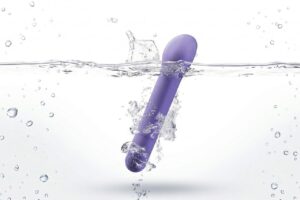
Not every adult toy can be safely washed under running water. If a toy has a charging port, battery compartment, vibration motor, or is labeled splashproof rather than waterproof, it should not be submerged.
For these products, the safest method is to use a soft damp cloth with a little mild soap or toy cleaner. Wipe the surface carefully, paying extra attention to any areas that come into direct contact with the body. Then dry the toy with a clean towel and let it air-dry fully before storing or charging it.
It is important to keep water away from openings, seams, buttons, and charging ports unless the manufacturer clearly states that the toy is fully waterproof.
How Often Should You Clean Adult Toys?
The simplest answer is every time. Adult toys should be cleaned before and after each use, even if they appear clean on the surface. If a toy is used on different parts of the body, it should also be cleaned in between or used with protection to avoid cross-contamination.
Consistent cleaning is one of the easiest ways to make intimate products safer and more comfortable to use over time.
How to Dry and Store Adult Toys Properly
Cleaning does not end after washing. Proper drying and storage are equally important. After cleaning, the toy should be allowed to air-dry completely in a clean space. Storing a toy while it is still damp can create the perfect environment for odor or bacterial growth.
Once dry, store the toy in a clean pouch, storage bag, or box. It is better to keep each toy separate rather than letting multiple toys touch each other in a drawer. This helps prevent dust buildup, scratches, and material reactions between different surfaces.
What You Should Never Use
Some cleaning products are simply too harsh for adult toys. Unless the manufacturer specifically says otherwise, avoid using bleach, hydrogen peroxide, acetone, or strong disinfectants. These products can damage the material and may leave behind residues that are not safe for intimate contact.
It is also best to avoid heavily scented soaps or aggressive household cleaners, since they may irritate sensitive skin.
Important Safety Tips
Always check whether the toy is waterproof before cleaning it. If the packaging or product page includes care instructions, follow those first. Manufacturer guidance should always take priority, especially for electronic products.
It is also important to choose the right lubricant for the toy material. For example, silicone-based lubricant should not be used with silicone toys, because it may damage the surface over time. In most cases, a water-based lubricant is the safer option.
For porous materials such as TPE, TPR, and jelly rubber, extra hygiene care is needed. These materials are more difficult to sanitize fully, so sharing them is not recommended unless a condom barrier is used.
Final Thoughts
Learning how to clean adult toys properly is a simple but essential part of safer intimate care. The right cleaning routine helps protect your health, preserve the material, and keep every product in better condition for longer use.
In most cases, the best approach is to clean toys before and after every use, use gentle cleaning products, let them dry completely, and store them in a clean separate space. Once you understand the material, caring for adult toys becomes easy and routine.
Quick Recap
Warm water and mild soap are safe for many toys, but the exact cleaning method should always match the material. Silicone is generally the easiest to clean, while porous materials such as TPE and jelly rubber need more caution. Electronic toys that are not waterproof should only be wiped clean, not submerged. After washing, complete drying and proper storage are just as important as the cleaning itself.