If you’re planning to launch your own intimate wellness brand, one of the first questions you’ll probably ask is: how much of the product can actually be customized?
The answer depends on your goals, budget, and order quantity—but the good news is that private label adult toys are often more customizable than many buyers expect.
Not every project needs a brand-new mold or a large development budget. In many cases, you can start with logo branding, packaging, and selected aesthetic changes, then move into deeper customization once your brand grows.
In this guide, we’ll break down what can realistically be customized in adult toy manufacturing, from quick low-MOQ branding options to full OEM/ODM development.
What Can Actually Be Customized in Private Label Adult Toys?
In most manufacturing projects, customization falls into four practical levels:
- Branding customization – The easiest and fastest starting point.
- Aesthetic customization – Color, texture, and surface feel.
- Functional customization – Vibration, features, and control systems.
- Full OEM / ODM customization – New mold, new structure, or full product development.
The right level depends on whether you are launching a new brand, testing a product line, or building something more exclusive for long-term growth.
1. Branding Customization (Quickest and Lowest MOQ)
For many startups and first-time buyers, branding is the most efficient place to begin. This level usually does not require changing the product structure, making it faster, lower-risk, and budget-friendly.
Common branding options include:
- Logo printing (silk screen) or laser engraving.
- Single-color customization on the toy.
- Custom packaging design (boxes, sleeves, or premium tubes).
- Printed inserts, manuals, or "thank you" cards.
- Barcode, UPC, and market-specific labeling.
This approach is ideal for Amazon sellers, Shopify brands, and startups looking to test the market without heavy upfront investment in engineering.
2. Aesthetic Customization (Low to Mid MOQ)
Aesthetic customization focuses on visual appearance and tactile feel without requiring a completely new internal structure.
Options include:
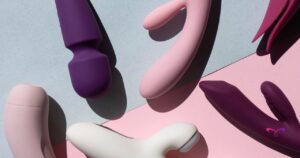
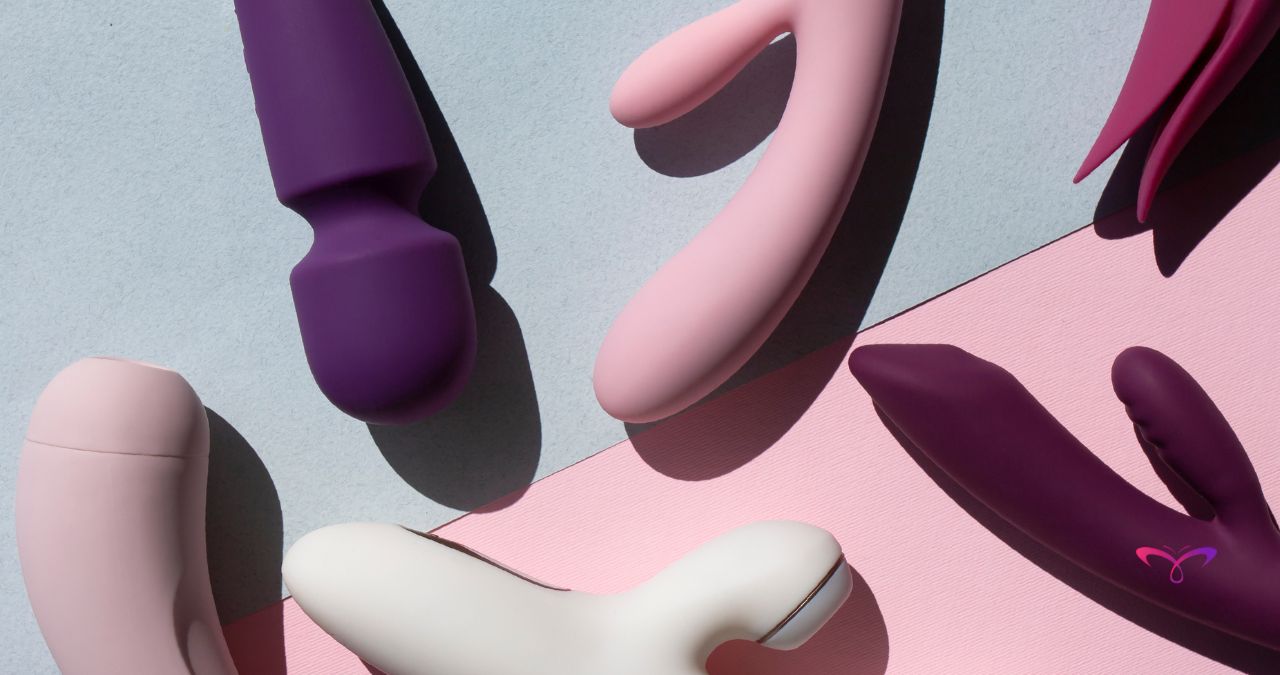
- Custom Colors: Moving beyond stock colors to specific Pantone shades, translucent finishes, or marble/swirl effects.
- Texture & Surface Finish: Choosing between smooth, ribbed, dotted, matte, or glossy finishes.
- Silicone Durometer: Adjusting the softness or firmness of the silicone to match your brand’s positioning (e.g., "extra soft" for beginners or "firm" for targeted stimulation).
By combining custom colors with unique packaging, a product can feel entirely distinct even if the internal engine is a proven industry standard.
3. Functional Customization (Mid to High MOQ)
Functional customization involves changing how the toy operates. This requires more technical coordination and often a higher MOQ because it involves the internal electronics.
Options include:
- Vibration Patterns: Programming unique pulse sequences or intensities.
- Heating Features: Adding or adjusting internal warming elements.
- Connectivity: Integrating Bluetooth or App-control compatibility.
- Hardware Adjustments: Changes to the motor type, battery capacity, or charging method (e.g., magnetic vs. DC pin).
Because this involves firmware and component layout, lead times are longer and testing (for waterproofing and safety) is more intensive.
4. Full Custom OEM / ODM Development (High MOQ)
If your goal is to create something truly unique, you need full development. This is the most advanced level and requires the highest investment.
This level includes:
- New Mold Creation: Designing a shape that does not exist anywhere else.
- Dual-Material Combinations: Such as over-molding silicone onto ABS plastic or metal accents.
- Unique Ergonomics: Developing a shape specifically for a niche market or unique body type.
- Proprietary Technology: Developing patented internal mechanisms.
This route is best for established brands and distributors building long-term proprietary product lines and looking for a significant competitive moat.
What Certifications Should Be Considered?
Certification requirements vary based on your target market and sales platform. Common considerations include:
- CE & RoHS: Essential for the European market to ensure safety and environmental compliance.
- FDA-Related Compliance: Ensuring materials are "body-safe" and medical-grade where applicable.
- ISO 13485: Important if the product is positioned near the medical device space.
- UN38.3: Required for the safe transport of lithium batteries.
Always discuss certifications early in the process, as they can affect material choice and packaging claims.
Typical MOQ for Different Levels
| Customization Level | Common MOQ | Typical Focus |
|---|---|---|
| Basic Branding | 300 – 500 units | Logo, Box, Manuals |
| Aesthetic Changes | 500 – 1,000 units | Custom Color, Specific Texture |
| Functional Changes | 1,000 – 2,000 units | Custom Vibration, App Integration |
| Full OEM / ODM | 3,000 – 5,000+ units | New Molds, New Hardware |
Which Level Is Right for Your Brand?
The smartest launch strategy is often to start simple and scale deep.
- For New Brands: Start with Level 1 (Branding). Use a proven, high-quality product platform and focus your budget on premium packaging and marketing.
- For Growing Brands: Move to Level 2 & 3. Differentiate your line with unique colors and customized vibration patterns to stand out from competitors.
- For Market Leaders: Invest in Level 4. Create a signature shape that becomes synonymous with your brand identity.
Final Thoughts
Customization is not all-or-nothing. You don't need to reinvent the wheel to build a successful intimate wellness brand. By understanding these levels, you can make smart, practical choices that match your budget and your vision.
Start with what matters most to your target audience, then build your product complexity as your community grows.